
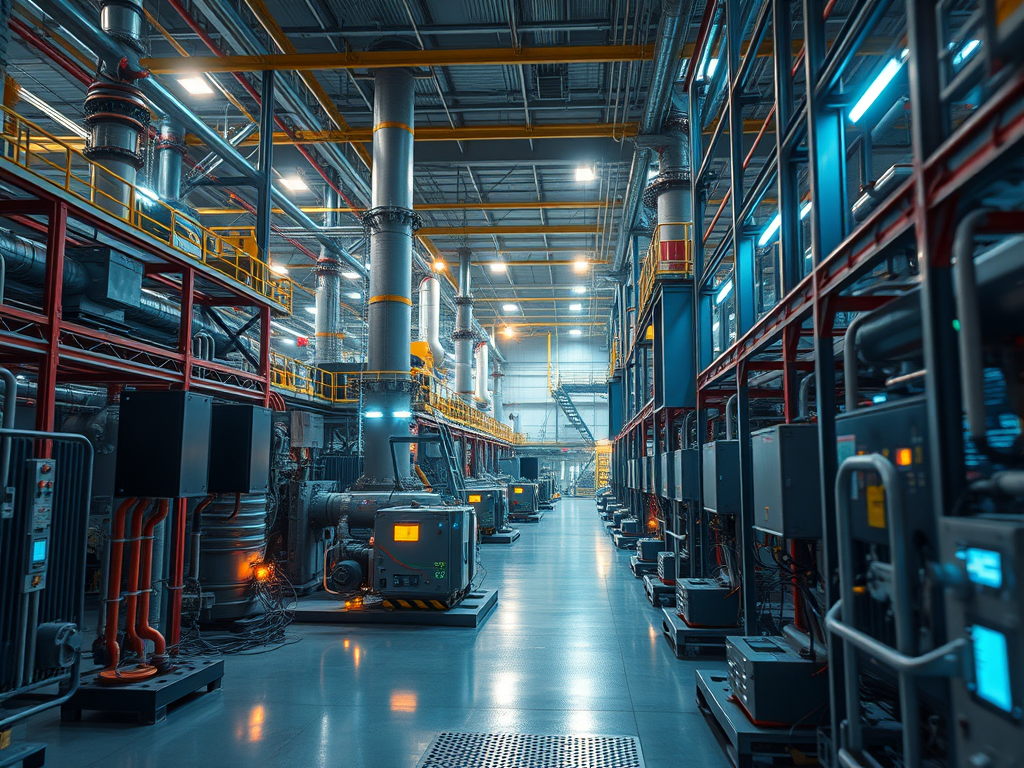
In today’s interconnected world, the importance of cybersecurity has transcended beyond conventional information technology (IT) environments and penetrated the realm of industrial systems. Industrial cybersecurity is a specialized field that focuses on protecting critical infrastructure and industrial control systems (ICS) used in sectors such as manufacturing, energy, transportation, and utilities. With the rise of the Industrial Internet of Things (IIoT), the integration of digital technologies within operational technology (OT) environments has created new vulnerabilities, making industrial cybersecurity more vital than ever.
The unique characteristics of industrial environments demand a tailored approach to security. Unlike typical IT networks, industrial systems are often responsible for physical processes that, if compromised, can lead to substantial operational disruptions, safety hazards, and economic losses. This introductory overview sets the stage for a deeper understanding of how industrial cybersecurity differs from traditional IT security.
Differences between IT Cybersecurity and Industrial Cybersecurity
The key distinctions between IT and industrial cybersecurity are outlined in the table below.
| Aspect | IT Cybersecurity | Industrial Cybersecurity |
|---|---|---|
| Focus and Objectives | Protects data integrity, confidentiality, and availability | Ensures operational continuity and safety, protecting machinery and employee safety alongside data integrity |
| Threat Landscape | Malware, phishing attacks, and data breaches | Cyber-attacks on control systems, insider threats, and potential sabotage with severe physical consequences |
| Regulatory Compliance | Compliance with standards like GDPR, HIPAA, PCI-DSS | Adherence to industry-specific regulations like NERC CIP for safety and reliability in operational technology |
| System Complexity | Manages software and data within a defined network perimeter | Deals with diverse systems, including legacy equipment and proprietary protocols, complicating uniform security measures |
| Incident Response | Focus on data recovery and minimal data loss | Emphasizes rapid restoration of operations and ensuring employee safety during incidents |
Below are the detailed differences between IT and industrial Cybersecurity.
- Focus and Objectives:
- IT Cybersecurity: Primarily aims to protect data integrity, confidentiality, and availability. The focus is often on safeguarding sensitive information, preventing data breaches, and ensuring compliance with regulations.
- Industrial Cybersecurity: Concentrates on the safety and reliability of physical processes and systems. The goal is to ensure operational continuity and safety, prioritizing the protection of machinery, operations, and employee safety alongside data integrity.
- Threat Landscape:
- IT Cybersecurity: Faces threats such as malware, phishing attacks, and data breaches that predominantly target data and digital assets.
- Industrial Cybersecurity: Encounters unique threats like cyber-attacks on control systems, insider threats, and potential sabotage, which can have severe physical consequences. The implications of these attacks can extend beyond financial damage to impact human safety and environmental considerations.
- Regulatory Compliance:
- IT Cybersecurity: Adherence to standards like GDPR, HIPAA, and PCI-DSS that focus on data protection and privacy.
- Industrial Cybersecurity: Must comply with regulations specific to industrial sectors, such as NERC CIP for the energy sector, which emphasizes safety and reliability in operation technology.
- System Complexity:
- IT Cybersecurity: Typically involves managing software and data within a defined network perimeter, where security measures can be applied consistently.
- Industrial Cybersecurity: Deals with a more diverse range of systems, including legacy equipment and proprietary protocols, often making it harder to implement uniform security strategies across all devices and networks.
- Incident Response:
- IT Cybersecurity: Response procedures often focus on recovering data and systems, preserving evidence for legal actions, and ensuring minimal data loss.
- Industrial Cybersecurity: Emphasizes rapid restoration of operation and safety procedures, with a greater focus on minimizing the risks associated with physical processes and ensuring employee safety.
In summary, while IT and industrial cybersecurity share common goals of protecting information and ensuring system integrity, the unique characteristics and risks associated with OT environments demand distinct approaches, strategies, and tools tailored to the specific needs of industrial sectors.
 ICS Cyber